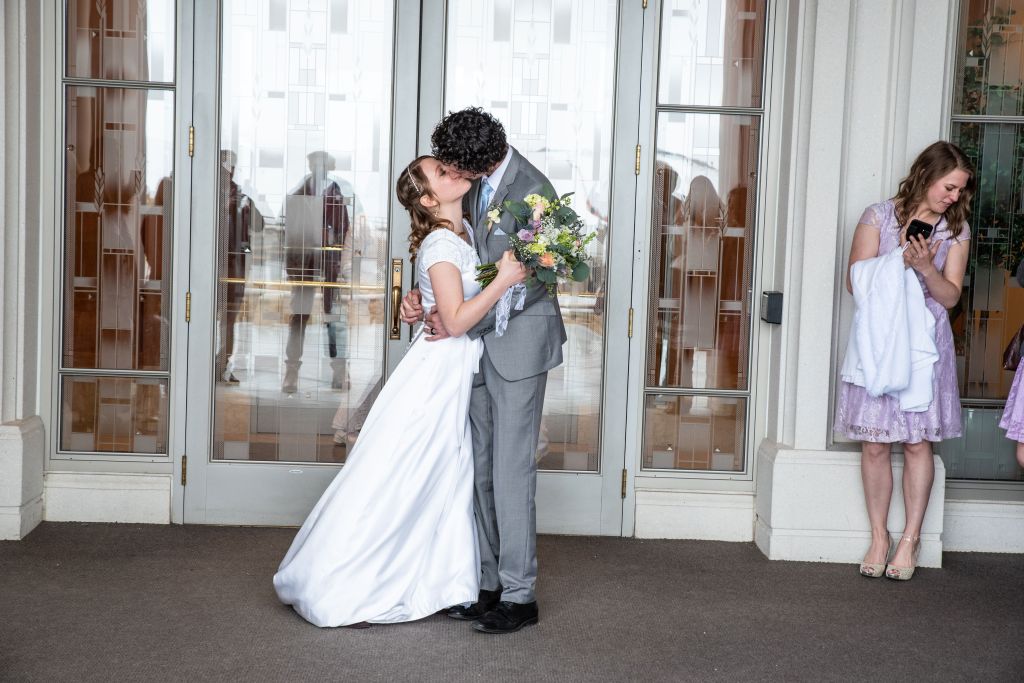

Marriage is a big step for most people, and this step can be quite overwhelming. Many of us don’t know all the things to expect and to be aware of when we get married. The above pictures are of my husband and me on our wedding day. Before I got married to my husband, I had no idea all the adjustments and sacrificed I would need to make in my personal life. Now, don’t get me wrong, I have loved being able to adjust and sacrifice a bit; it has brought my husband and I joyful, positive, and amazing growth that we could have never had before getting married. In addition to the growth, however, come some pretty difficult growing pains and challenges. Today, I want to talk about some of the often unforeseen challenges that come to newlyweds/newly engaged people and some helpful tips.
Challenges:
Adjusting to Marriage. Within the first year, many adjustments need to be made in a marriage. You enter into a new social world with new relationships with your spouse and in-laws that can be overwhelming at times. One thing to be noted about adjusting to marriage is that the man and the women have very different experiences while being married. For example, women generally have to make more adjustments than the men, as they are typically expected to accommodate their lifestyle for the husband (e.g. his career, schooling, etc.) rather than the husband accommodating for the wife. When getting married, there are many new responsibilities, decisions to make, topics to discuss, options to consider, and time with your partner. When we are single, all we have to think about it s ourselves, but that changes tremendously when you marry; you have to have a “we” attitude and think about what is best for them and your marriage, causing both partners to sacrifice personal wants (which are blessings in disguise). When newly married, it can also be difficult to know how to divide your time as well as responsibilities. Your spouse will need you, but so will work, school, housework, kids (if applicable), etc. Tip. To deal with all these adjustments, talk with your spouse and turn toward them in and our Heavenly Father in your struggles. Strive to establish equity with your spouse and in responsibilities while having consensus/common values and/or respect for what one another values. Keep in remembrance the good you see in them and the love you share. Chances are, your partner doesn’t want to hurt your feelings; they truly do love you. Positive in-law relationships can also be a huge support during this time.
Expectations. We all have expectations for our partner; however, some of these expectations can be harmful to marriage. For example, it is unrealistic to expect marriage to provide for all of our needs and fulfillment. Other expectations we may have include:
Private Contracts. Private contracts are where each partner in the marriage assumes that there is an agreement about various matters that were never discussed nor written out. For example, a wife may expect that taking out the trash is a man’s job and assumes her husband knows it, but her husband doesn’t really see it that way. So, when her husband doesn’t take out the trash, she gets frustrated and upset and the husband has no idea what is going on.
Tip: To help resolve this issue, realize your own contracts and talk about them with your spouse. Clarify your expectations for your spouse; it helps when you do this in writing so you both may remember how to be there for one another. Strive to negotiate and find a solution that is well-suiting to both partners. You can change and modify your personal contracts and expectations. We don’t have to define a situation between us and our partners as right or wrong; we can see them as differences that need to be worked out for mutual satisfaction.
Role Expectations. We all have expectations of what roles we desire our spouse to fill. For example, I knew I wanted to be a stay-at-home mom while my kids were growing up and I made this role expectation known to my husband long before we were married. Luckily, he desired that, too. However, there are role expectations we may have for our spouse they don’t necessarily like. When our expectations are causing issues, I would suggest we take a step to observe our expectations and determine – humbly – what expectations we can and cannot live without. I would then suggest following the tips stated above to help resolve beneficial personal contracts. Remember to open and honest with your partner.
I hope you experience great joy in your marriage as you strive to apply and remember these principles.
 Marriage and Family Truths